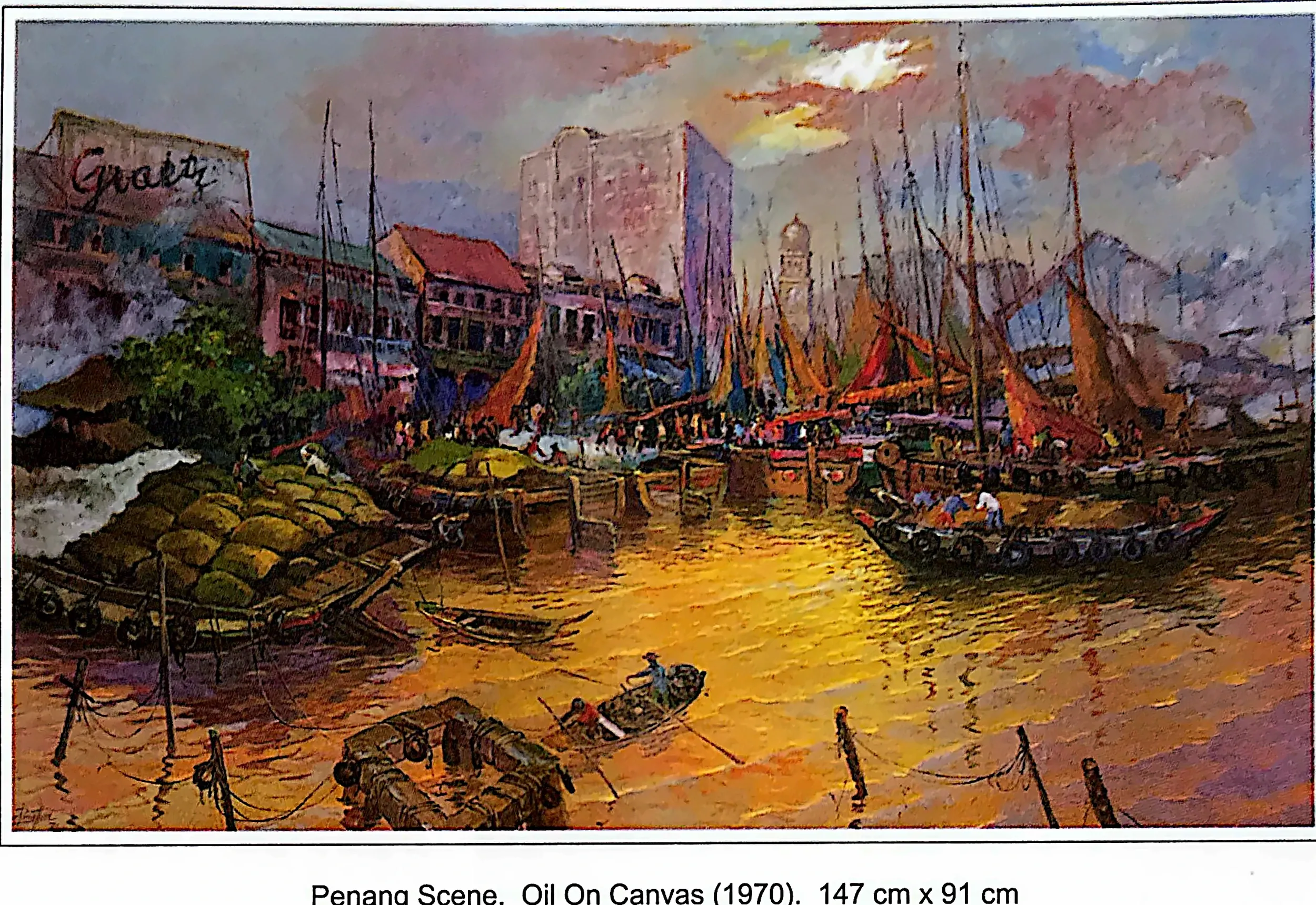
Penang and harbour life
He painted memory before it disappeared.
Tan Peng Hooi is a self-taught Malaysian painter, born in Penang in 1942. For six decades he has worked in oil, returning again and again to fishing villages, harbour light, padi fields, festivals, doves, carp and the quiet architecture of everyday Malaysian life. In 1981 Reader's Digest called him the painter who preserves Malaysia's past. This archive gathers his work, his exhibitions and his story from the primary record.

Reader's Digest, August 1981
In August 1981, Reader's Digest ran a feature on a self-taught painter from Penang. The writer was Robert Kiener, then the magazine's deputy editor, and the title he gave the piece has outlasted the article: The Painter who Preserves Malaysia's Past.
Tan Peng Hooi's own catalogue records it as an honour not previously accorded to any other Malaysian artist. Read now, the title reads less like praise than like a description of the work itself. He was painting fishing villages, harbour mornings and village labour at exactly the moment those things were being built over. The magazine noticed early what the paintings were for.


Reader's Digest, August 1981. Article by Robert Kiener. Reproduced from the artist's archive.
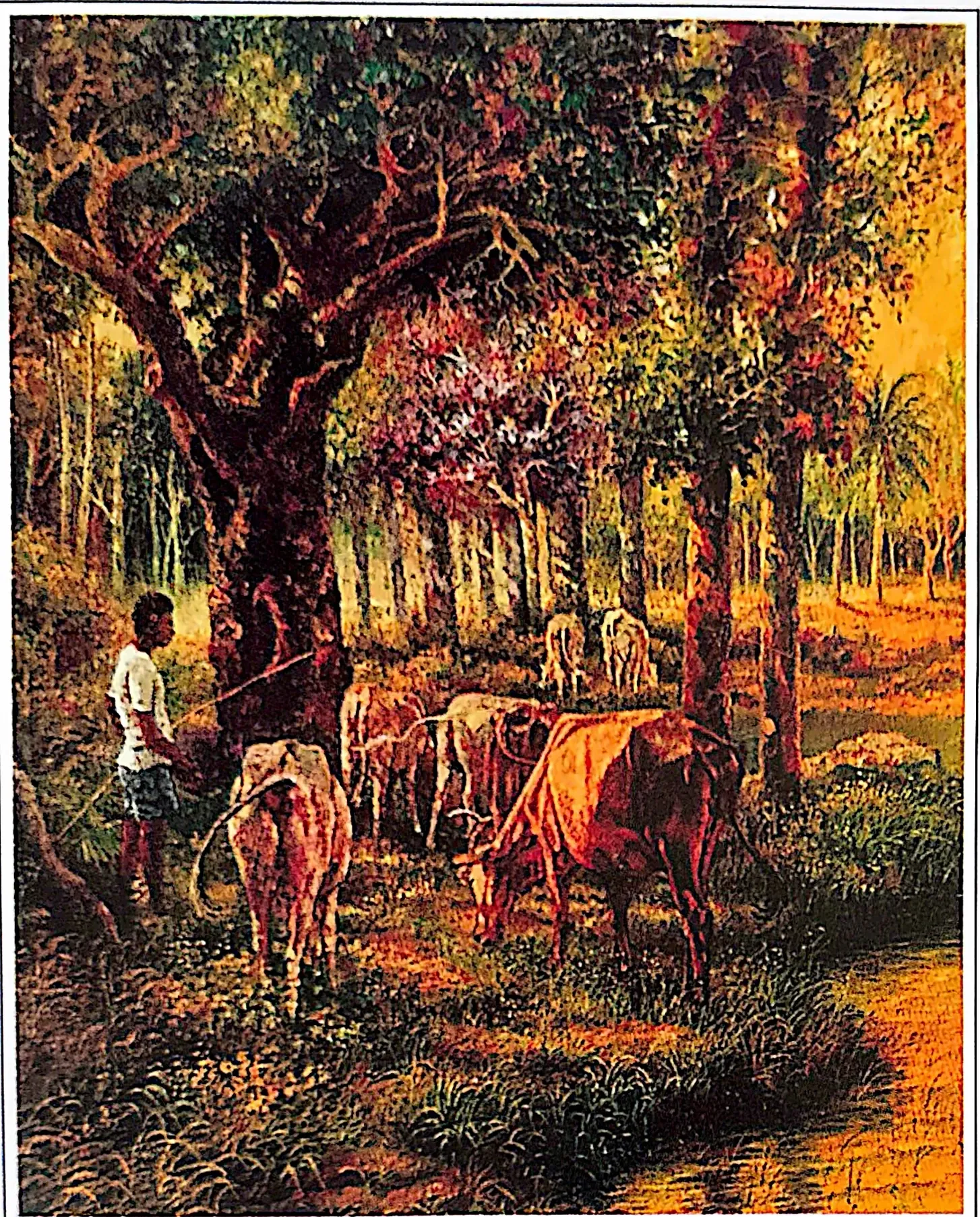
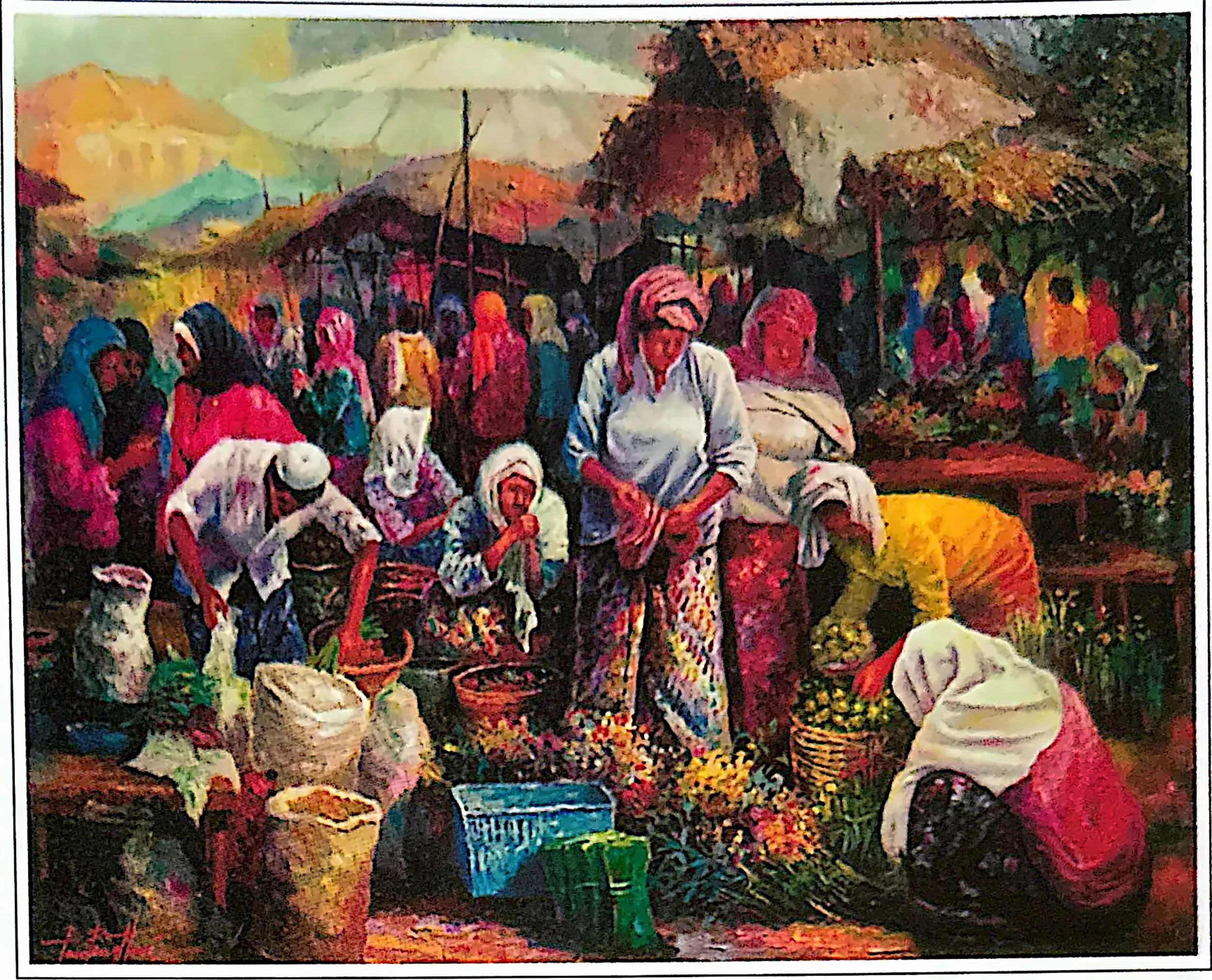
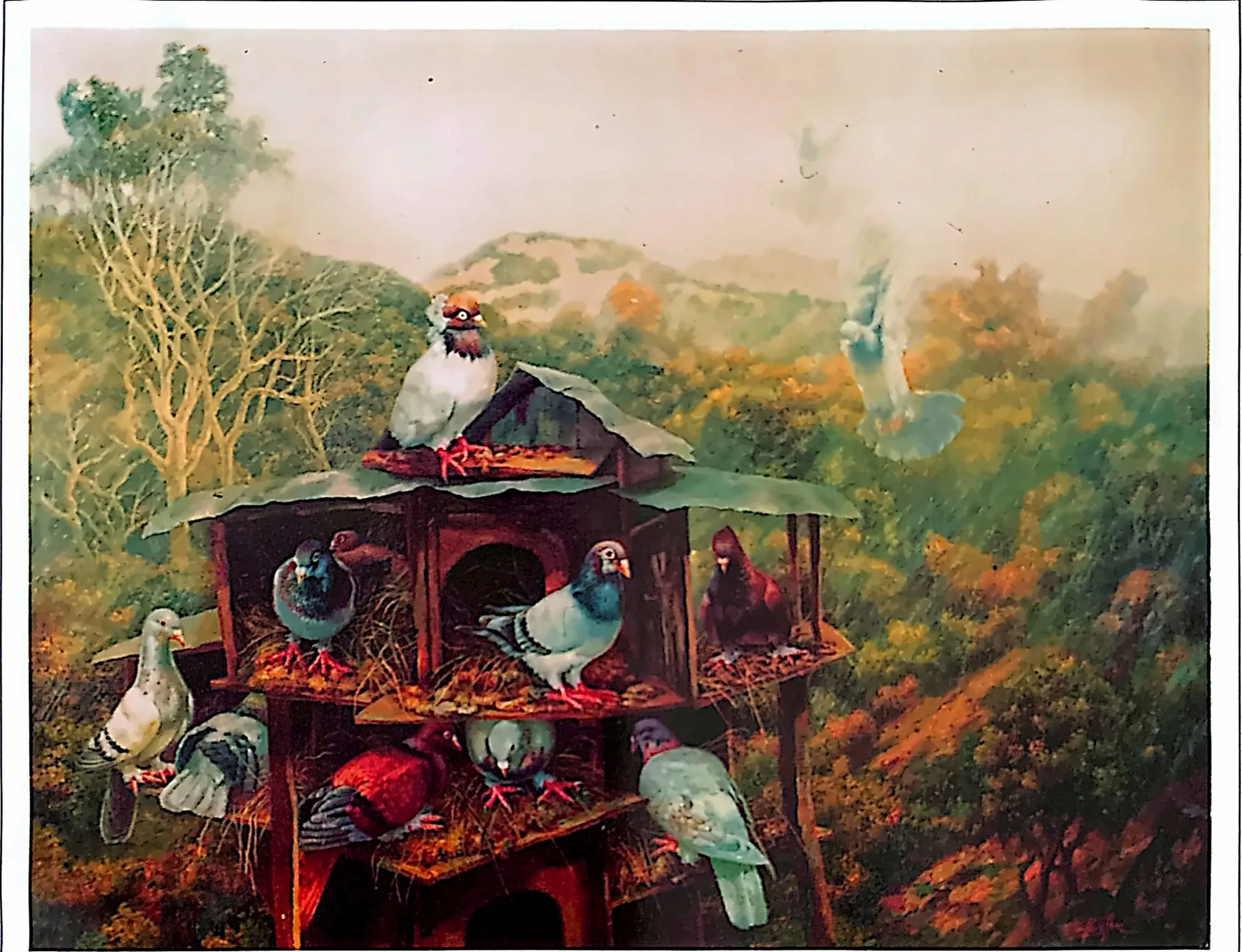
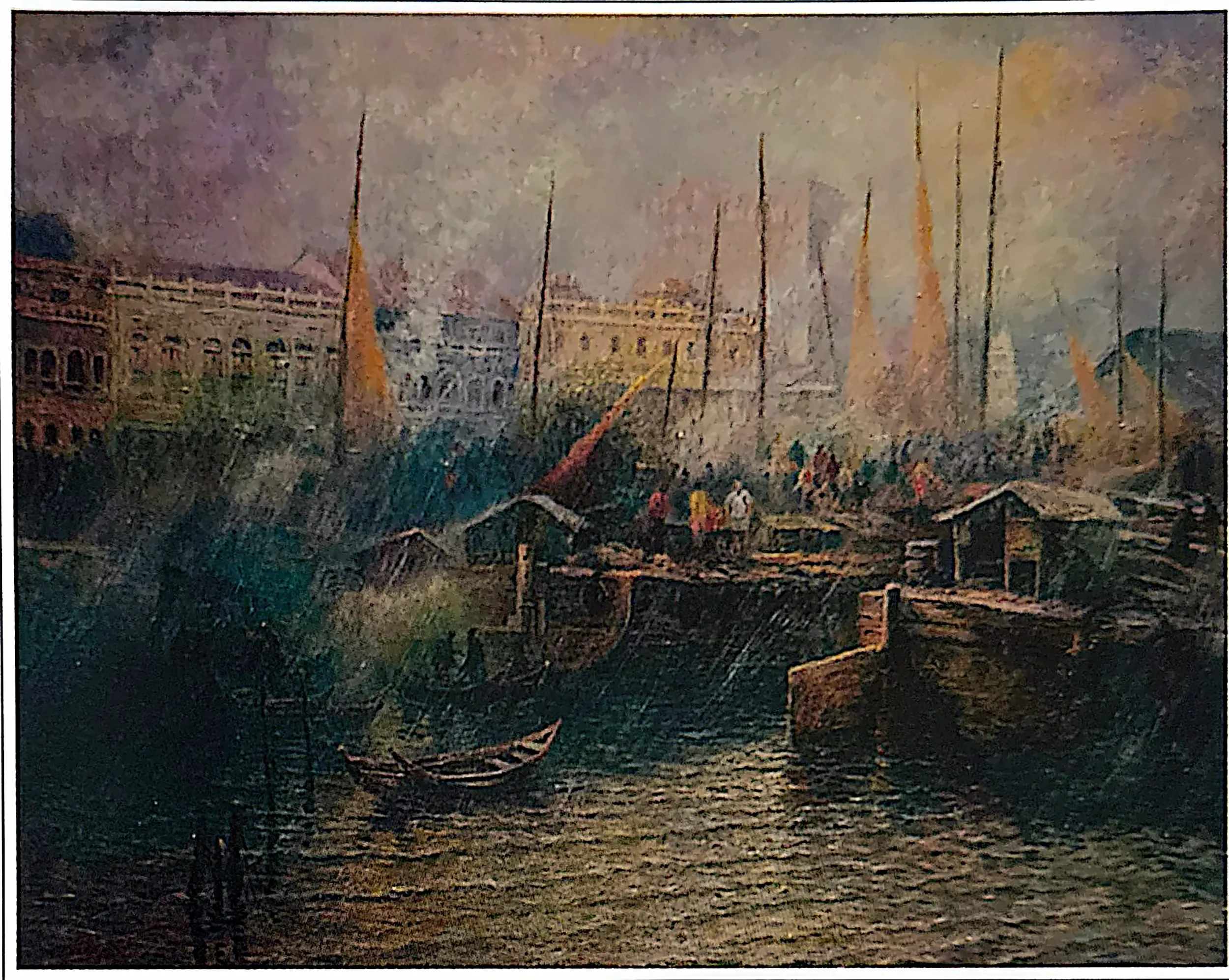
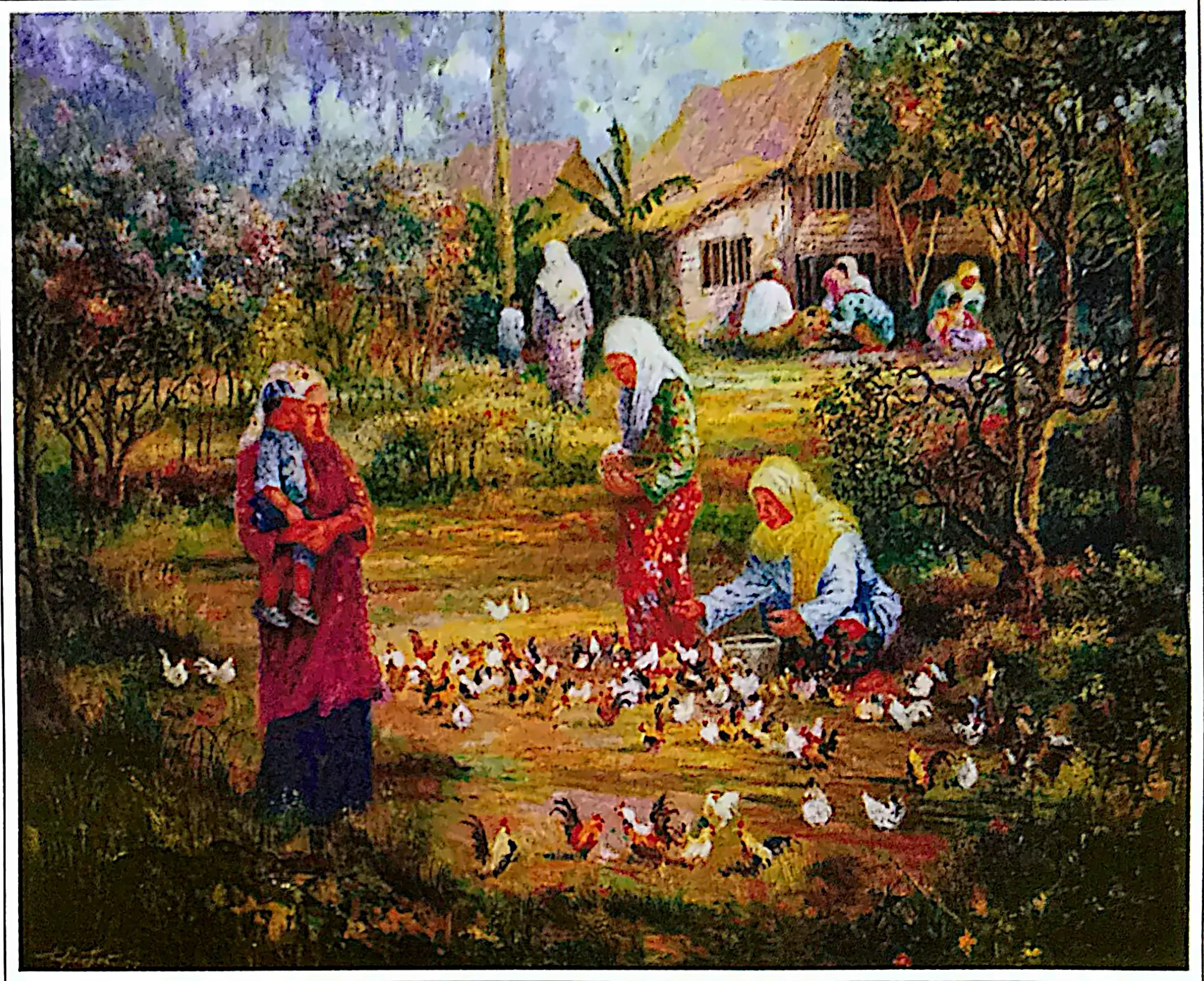
His subjects fall into two registers. One is observed Malaysia: fishermen working difficult water, village mornings, markets, the old harbour. The other is inherited symbol: peace doves, prosperity carps, lotus and roosters, Chinese auspicious subjects carried into Western oil. Between them sit the festivals of a plural country, lion dances, Malay and Balinese dancers, the breaking of fast, the eating of durian.
Tan named his 1999 exhibition From Realism to Abstraction, and the title maps his whole career. Grounded in the landscape tradition of Constable and Turner, he has moved along a spectrum from close observation towards cubist composition, a direction his most recent series continues.
This site is built from primary sources: the artist's own catalogues of 1999, 2005 and 2009, institutional records and period press. Collectors, family members and institutions are invited to contribute corrections and records.